
Opinion Column: Sustainability is happening
Climate crisis, threat to business, business opportunity, competitiveness, market share, innovation.
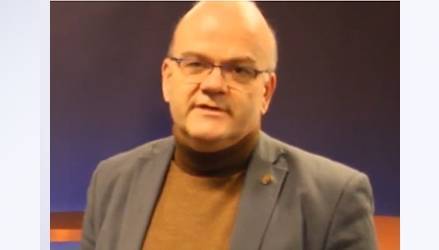
Opinion column by André Dellevoet, MSc/MA
You can be forgiven to be gloomy these days. There are many serious concerns; the end of NATO, Ukraine, Gaza, pension systems, housing and European industry on life support as highlighted in the reports by Mario Draghi and Peter Wennink. Amidst all the turmoil, people think that sustainability and combating climate change is not a priority right now. It can be parked until we are in calmer waters. They are mistaken.
The evidence is clear: we are heading for disaster. By the end of the century, we are likely facing a temperature rise of 3 degrees °C or more, which will wreak havoc of biblical proportions. Rather than listening to the unfounded personal opinions of populist politicians, sensible people recognize the truth after 50 years of scientific research and countless reports by thousands of scientists worldwide. And if that still doesn’t convince you, then just look around your own environment and see the change, be it the increasing extreme weather events or the disappearance of species and habitats.
The problem is that the change is slow, not urgent, and nobody feels compelled to defend the common good, such as our oceans, the so-called “tragedy of the commons”. But as they say; disasters happen in two stages; first slowly but surely and then, all of a sudden, like a fractured dam or dyke that finally breaks under the pressure. The slowing down of the circulation system of the Atlantic ocean (AMOC) may be one of those phenomena. Instead of warmer winters, the Northern Hemisphere may actually face much cooler weather, intensified storms, sea-level rise on the US East Coast and altered weather patterns. No one knows when the tipping point will be reached.
The threat to businesses is significant. Forget long term projections of output, market share, profitability or risk. Food production may decline by more than 30%. Painstaking work to diversify your supply chain due to COVID and now geopolitical tensions, may once again be disrupted. Insurance premiums will go through the roof.
Lobbying for delays or clemency on regulations and penalties as is happening now, will not help anymore, since the public wants to know who’s to blame. When the crisis becomes evident, polluting, unsustainable businesses may lose their license to operate and be shut down. At the international level, climate justice will become a major issue and those countries that, so far, have shown no intention to move away from fossil fuels, will face increasing pressure to compensate for the damage. All of this is predictable.
The good news is that there are vast opportunities in sustainability. The World Economic Forum states that the green economy is worth over 5 trillion dollars per year, the world’s most dynamic growth sector after technology. Despite geopolitical concerns and energy security issues, the market is currently projected to exceed $7 trillion by 2030. Hence, while sustainability may not yet influence short term quarterly earnings, it may actually make business sense in the medium term (1-5 years). Several studies have shown that investments in adaptation to climate change deliver between 4 to 10 times more benefits than costs. For agriculture, the ROI would be 27%. Companies in the green economy often outperform. On average, they manage to grow green revenues two times faster than conventional revenues, typically get access to cheaper capital, build competitiveness for the future and accordingly are often valued at a premium on capital markets.
So, sustainability is not a cost, but an investment. In that view, it is logical to accept that the cost is always ahead of the returns and that the returns may only happen in the medium to long term. Blended finance is increasingly used to provide a cushion by combining subsidies, soft loans, patient capital, revolving funds, tax incentives and guarantees, combined with requirements for measurement and verification to build investor confidence. This may effectively bring the cost of finance down to below market rates.
It’s not just a competitive advantage and a market opportunity. It offers companies a chance to reinvent themselves around Green Growth innovation and R&D. At the supply chain level, companies may look at building resilient and diversified tightly-knit ecosystems, to limit investment costs by pooling resources, specialization and risk sharing strategies. Within the company, the best minds can be organized in teams and empowered to work on concrete solutions on, for example, new materials and new technologies.
Just look at the story of Sappi, a Maastricht based paper mill since 1850, which was close to bankruptcy, as classic paper production became uncompetitive due to higher prices for energy and raw materials. However, the market for replacements of plastics packaging is growing fast, so the paper mill started to diversify into sustainable paper packaging and is now thriving again. Tech-savvy generation Z also expects this kind of excitement and meaning in their work, which helps to retain them as they replace the baby boomers who are retiring “en masse”. Agentic AI in industrial processes already happened before the current hype and may help in countless ways such as identifying patterns and qualities, thereby discovering new materials or shortening trials with new technologies and products and weeding out wasteful inefficiencies.
Oh, I almost forgot; it is also good for the planet and future generations. What’s stopping us?
About the author - Drs André Dellevoet
During his international career, spanning 4 decades, Mr. Dellevoet has worked with over 600 companies in Eastern Europe, Asia, and Africa. He joined MSM in 2019 and is currently the project Director for the executive program on “Strategic Leadership and Technology for Sustainability”.
More opinion columns: